5 of the Easiest Martial Arts Disciplines to Learn (2026)
Updated on July 13th, 2026 at 01:45 pm
Karate and boxing are the easiest martial arts for most beginners to learn, thanks to simple foundational techniques and clear progression. Muay Thai, Brazilian Jiu-Jitsu, and Krav Maga round out the most accessible disciplines, each offering practical self-defense skills from the first class.
Martial arts offer a unique combination of physical fitness, self-defense skills, and mental discipline. While mastering any martial art requires dedication, some disciplines are easier for beginners to learn while still providing valuable lifelong skills. Regular practice of techniques is a requisite to gaining mastery in any form of martial arts disciplines. Similar to learning other hobbies, training in the martial arts takes dedication.
Many practitioners of the martial arts take classes, and the learning experience in group settings is unmatched. Studying the discipline empowers students. Not only are students’ bodies conditioned, but so are their minds. Whether you’re looking for martial arts for beginners, self-defense training, or local martial arts classes near you, this guide will help you discover the easiest martial arts to start practicing.
Key Takeaways
- Karate: Beginner-friendly, emphasizing proper technique, balance, and discipline while providing effective self-defense skills.
- Basic Boxing: Helps develop strength, agility, and coordination; can be practiced solo or with minimal equipment.
- Muay Thai: Uses the entire body for striking, improving fitness, flexibility, and practical self-defense skills.
- Brazilian Jiu-Jitsu (BJJ): Allows smaller practitioners to defend against larger opponents through leverage, grappling, and ground-fighting techniques.
- Krav Maga: Focuses on real-world self-defense, teaching simple, high-impact techniques for neutralizing threats quickly and effectively.
Why Practice Martial Arts?
Watching an experienced martial artist engage in high-flying kicks, sophisticated sweeps, or timely punches is undeniably impressive. Despite the mind-blowing techniques veteran martial arts practitioners use, certain martial arts disciplines are less intimidating to learn and easier to put into practice. According to industry participation research, millions of Americans train in martial arts each year, and the number continues to grow. Training enhances strength, flexibility, coordination, and focus, while also teaching valuable self-defense techniques.
- Physical benefits: Improved endurance, flexibility, and overall fitness.
- Mental benefits: Increased discipline, focus, and confidence.
- Practical skills: Techniques you can apply in real-world self-defense situations.
Many beginners start with group classes to benefit from instructor guidance and social learning. Online tutorials can supplement training, but they cannot replace personalized instruction from a skilled teacher.
5 of the Easiest Martial Arts to Learn for Beginners
1. Karate: Beginner-Friendly Self-Defense
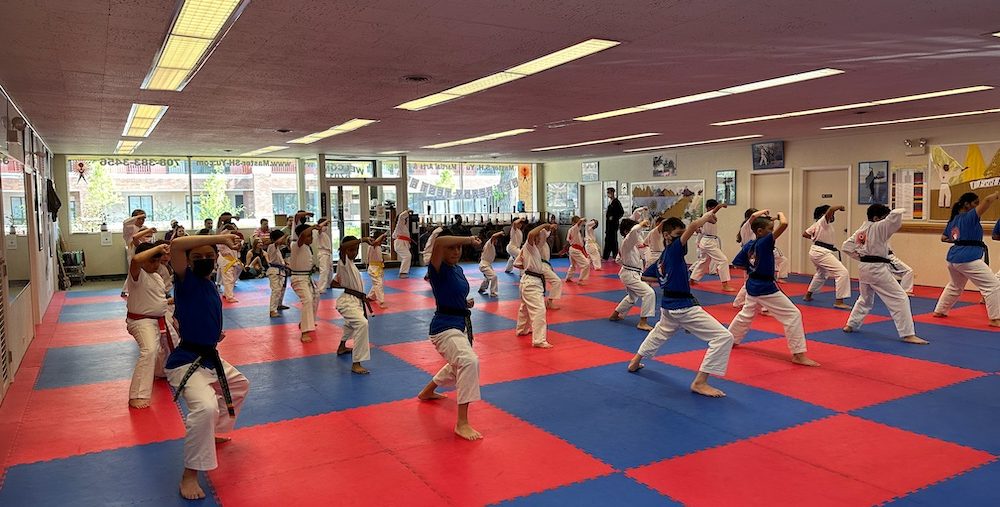
Karate is a diverse martial arts discipline that may be learned from any of three angles: as a form of self-defense, as a discipline, or as an art. Children and older people are drawn to karate, given that it is an extremely safe form of martial arts.
Karate is popular with a wide range of age groups. The discipline still requires correct technique in order to be successfully executed. Theory is important, as is practice. Martial artists consider karate to be highly adaptable, easy to learn, and, when done correctly, very effective as a form of self-defense.
Techniques integral to karate include punching (such as straight punch and elbow strike), kicking (such as round kick and front snap kick), and sparring. In order to build stamina through sparring, a willing partner is necessary. Sparring helps students learn to transition through various karate moves.
Karate relies on proper balance, speed, and power. Several basic stances that are important to the practice of karate can be readily learned. These include the ready stance, front stance, walking stance, and back stance. Stances simply involve positioning the feet and being ready to engage.
2. Basic Boxing: Build Strength and Agility
New martial arts students might explore basic boxing. The sport may be practiced alone and without the need of a partner. As students progress, they learn to become agile; trainees also come to realize their strength potential. Boxing requires only gloves, but practice can be accomplished without gear.
Like karate, basic boxing involves stances. The fighting stance is the primary stance in boxing. All power stems from a proper fighting stance. A good stance is also important in maintaining balance when throwing basic punches. As practitioners continue training, skill and experience become teachers.
3. Muay Thai: Full-Body Striking
The entire body is a weapon in the martial art known as Muay Thai. Learning Muay Thai gives even beginner students valuable self-defense skills. Sparring has a dominant place in this martial art, making having a willing partner a necessity. Still, some elements may be learned alone.
Equipment the trainee requires includes boxing gloves, a punching bag, and shin guards designed specifically for engaging in the practice of Muay Thai. Techniques integral to Muay Thai are knee strikes, punches, and kicks. These moves become easier to implement as the student practices.
4. Brazilian Jiu-Jitsu: Leverage Over Strength
Jiu-Jitsu is a powerful form of martial arts that is designed so that a smaller fighter has ample physical resources to successfully defend against a larger opponent. If Jiu-Jitsu is practiced alone, reactions may be difficult to anticipate. A partner helps the student realize whether or not good technique is used.
In Brazilian Jiu-Jitsu, trainees use ground-fighting techniques and stand-up maneuvers. Students apply chokes (such as the guillotine choke or triangle choke), joint-lock manipulations and single- and double-leg takedowns to defeat the bigger challenger. Practicing these specific techniques requires a partner.
5. Krav Maga: Practical Self-Defense
Krav Maga is a blend of Muay Thai, boxing, judo, grappling, and fight training. The driving force behind Krav Maga is centered around the goal of delivering enough damage to the adversary so the fight may be quickly finished.
Individuals who train at home require equipment, such as boxing gloves, a heavy bag, and space to hang it i,n as well as Muay Thai shin guards (useful when delivering fierce kicks to the bag). Practicing Krav Maga helps the student acquire valuable self-defense skills.
Programs teaching Krav Maga focus on executing a proper fighting stance, learning punches (such as jab, rear cross, and upper-cut), how to escape headlocks, how to fall with limited injury if knocked down, and the best ways to defend against chokes, bear hugs, and overpowering headlocks.
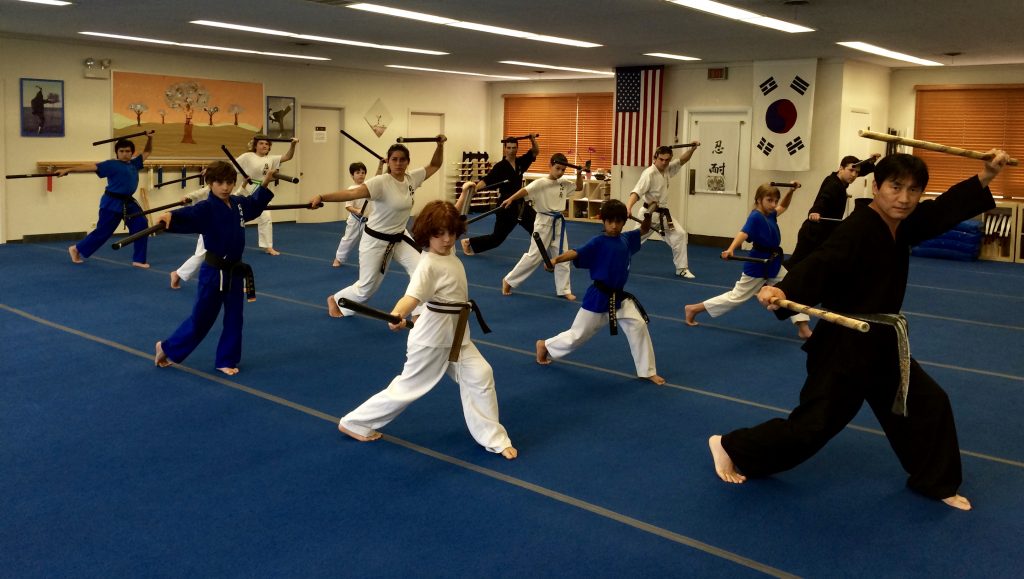
Factors That Make a Martial Art Easy to Learn
Choosing a martial art that suits your goals, preferences, and learning style is crucial for a fulfilling and successful journey. While each martial art has its unique characteristics, certain factors can influence the perceived ease of learning for different disciplines.
Simplicity of Techniques
Some martial arts emphasize straightforward and practical techniques that are easier for beginners to grasp. Techniques that rely on gross motor skills and natural body movements can be more accessible, allowing practitioners to progress quickly. For example, disciplines like Krav Maga or some styles of Karate often prioritize simplicity and effectiveness in their techniques.
Structured Curriculum
Martial arts that have a well-organized and structured curriculum can be easier for beginners to follow. A clear progression of techniques, forms, and sparring drills provides a roadmap for learning and helps students understand how each element builds upon the previous one. Brazilian Jiu-Jitsu, with its systematic belt system and clearly defined curriculum, is an example of a martial art that offers a structured learning path.
Emphasis on Practical Application
Martial arts that place a strong emphasis on real-world applicability can be more engaging for beginners. Training that incorporates practical self-defense scenarios or sparring situations helps students see the immediate relevance of what they are learning. Krav Maga, known for its focus on real-world self-defense, exemplifies a martial art that prioritizes practical application.
Physical Fitness Requirements
The physical demands of a martial art can also impact its ease of learning. Some disciplines may require more strenuous physical conditioning, while others focus on technique and strategy. For individuals with specific fitness considerations, choosing a martial art that aligns with their physical capabilities can make the learning process more enjoyable and sustainable.
Teaching Style of Instructors
The teaching style of instructors and the learning environment play a crucial role in the ease of learning a martial art. Instructors who effectively communicate techniques, provide constructive feedback, and create a positive and supportive atmosphere contribute significantly to the learning experience. Finding instructors who align with your learning preferences can enhance the ease of picking up a martial art.
Which of These Martial Arts Do We Teach?
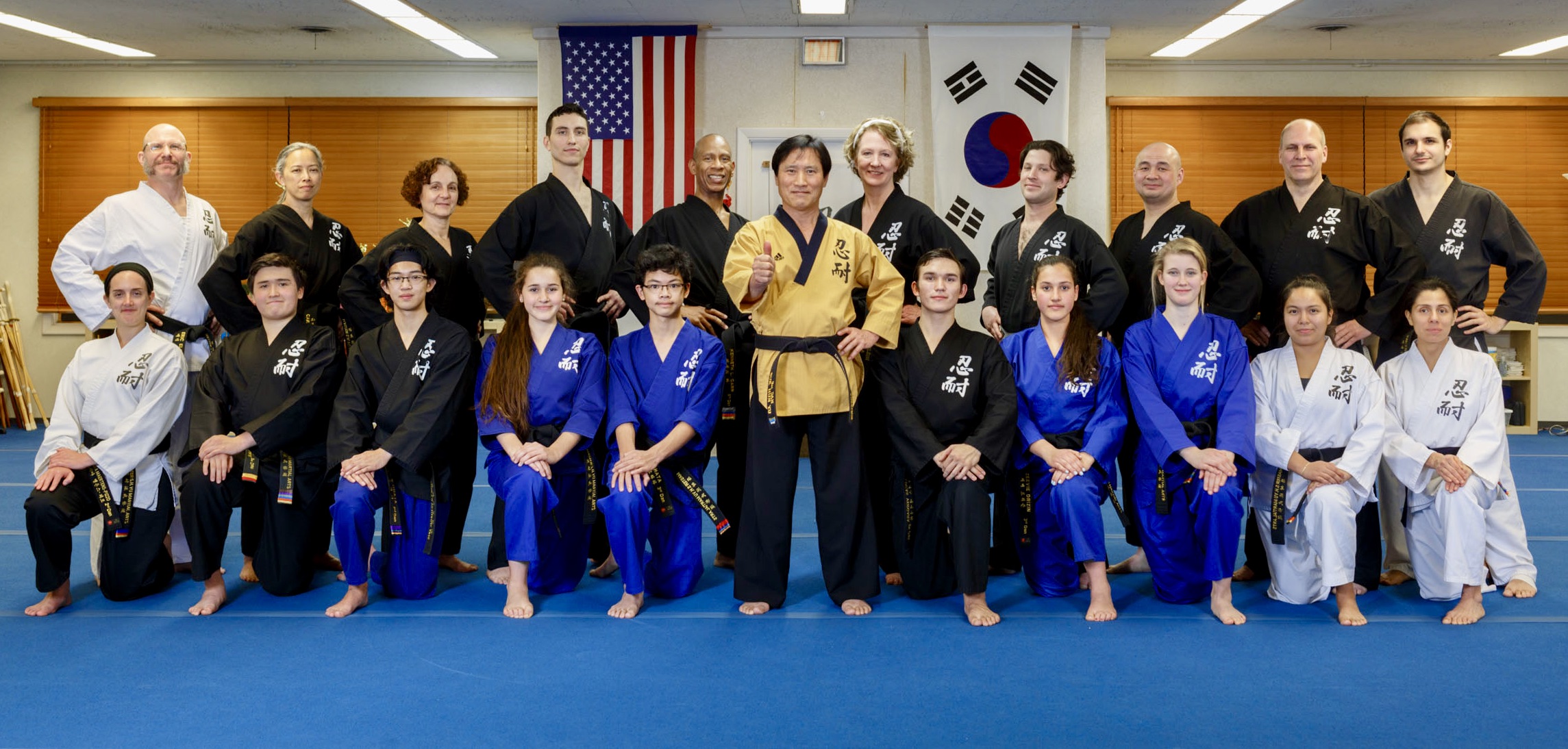
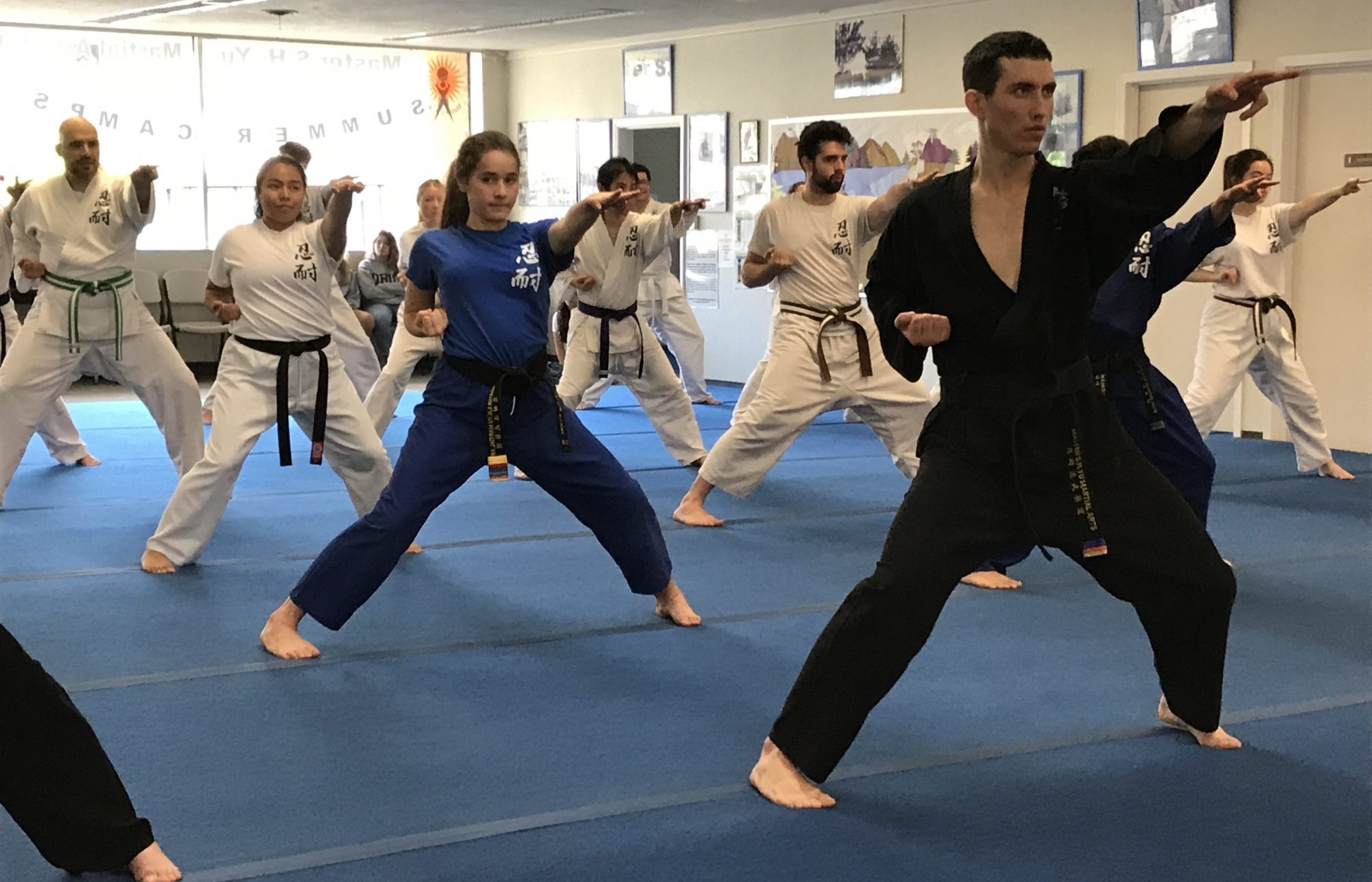
At Master S.H. Yu Martial Arts, we specialize in traditional Korean and Japanese martial arts: Tae Kwon Do, Aikido and Hapkido, Judo, and Kumdo. While the five disciplines above are excellent starting points, our programs develop the same core skills through arts with centuries of tradition behind them.
If Karate or boxing appealed to you because of striking, Tae Kwon Do builds powerful punches and kicks through a structured, beginner-friendly curriculum. In fact, Tae Kwon Do is widely considered one of the most accessible martial arts for new students, with a clear belt progression from the very first class.
If Brazilian Jiu-Jitsu’s leverage-based grappling caught your interest, Judo teaches throws, pins, and groundwork built on the same principle: technique over strength.
If Krav Maga’s practical self-defense focus is what you are after, Hapkido combines joint locks, throws, and strikes into a versatile self-defense system for adults and teens.
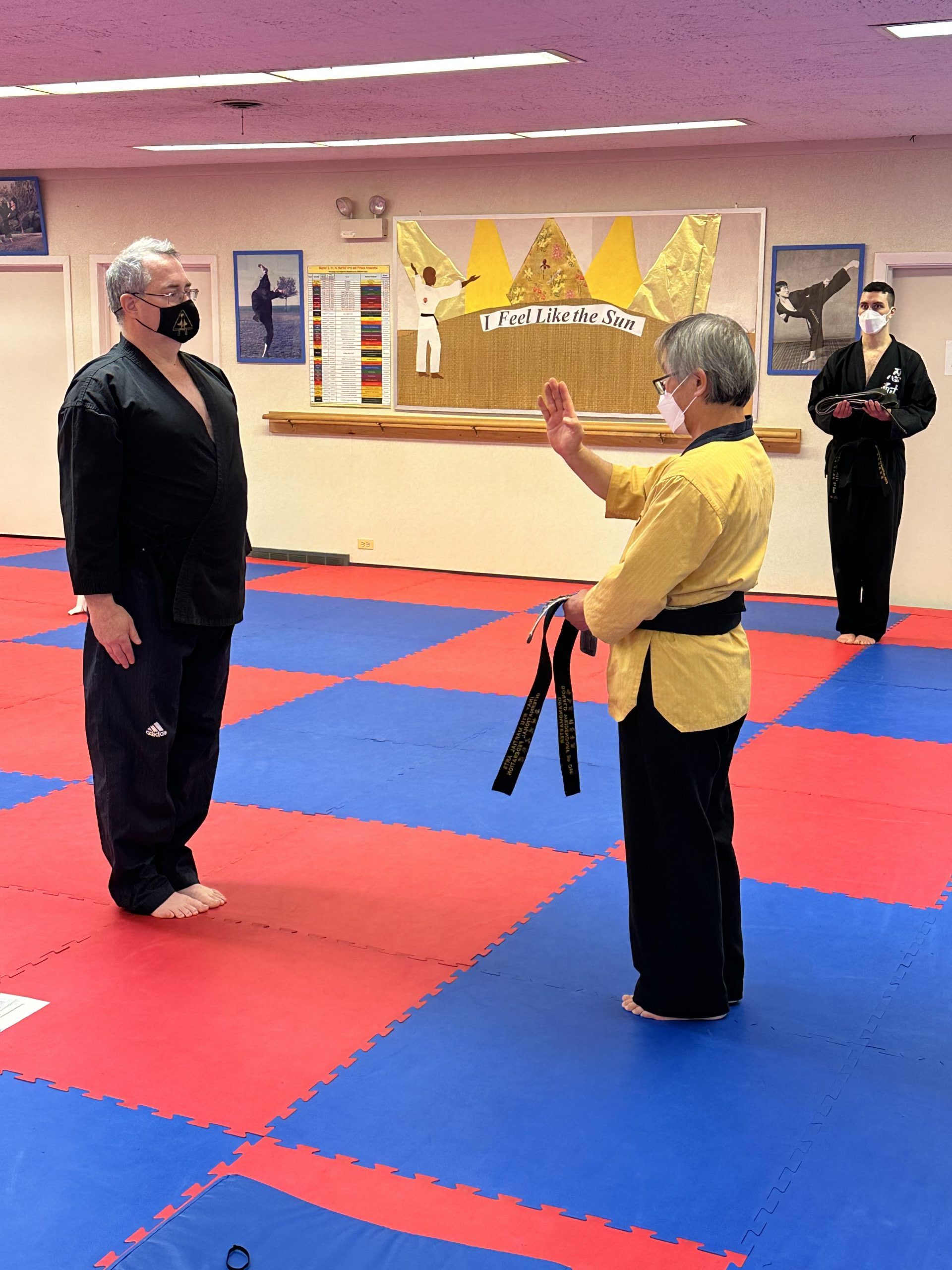
Every discipline at our school is taught under the direct instruction of Supreme GrandMaster S.H. Yu, so beginners learn correct technique from day one instead of unlearning bad habits later.
Study Martial Arts with Master S.H. Yu Martial Arts
Learning martial arts becomes easier when you pick the right discipline and the best training program. At Master S.H. Yu Martial Arts, students of all levels in their journey toward gaining mastery in the martial arts advance in their acquisition of skills; they also appreciate the enjoyable learning experience.
Master S.H. Yu Martial Arts offers instruction in several traditional martial arts: Tae Kwon Do (synchronize mind and spirit), Aikido (acquire defense skills), Judo (learn lifting and throwing techniques) and Kumdo (master sword fighting).
Classes at Master S.H. Yu Martial Arts are led by a world-class martial artist, Sr. GrandMaster Yu, and are tailored to meet the varying levels, interests and talents of its students. Given the supportive environment surrounding classes, students at Master S.H. Yu Martial Arts learn new techniques easily.
Enjoying learning the martial arts discipline of choice goes a long way in helping the student master the sport. At Master S.H. Yu Martial Arts, our students arrive to each class with enthusiasm and, after learning new techniques, leave fulfilled.
Contact Us
Contact us at (708) 383-3456 for details about our martial arts classes in Oak Park, IL, River Forest, IL and the surrounding areas.
Frequently Asked Questions (FAQs)
What is the easiest martial art to learn?
The easiest martial arts for beginners include Karate, Boxing, Muay Thai, Brazilian Jiu-Jitsu, and Krav Maga. These disciplines are beginner-friendly due to their simple techniques, structured training, and practical self-defense skills suitable for all ages.
Which martial art is best for beginners?
Karate and Boxing are often the best martial arts for beginners. Karate focuses on balance, stances, and discipline, while Boxing develops agility, strength, and basic striking skills that are easy to learn.
Can adults start learning martial arts?
Yes, adults of any fitness level can start martial arts. Disciplines like Karate, Krav Maga, and Boxing are beginner-friendly and can be adapted to your abilities, helping improve strength, flexibility, and self-defense skills.
How long does it take to learn a martial art?
For beginners, basic skills in most martial arts can be learned in 3–6 months with regular practice. Mastery, such as reaching a black belt, may take several years depending on the discipline and training frequency.
What martial art is best for self-defense?
Krav Maga and Brazilian Jiu-Jitsu are highly effective for self-defense. Krav Maga focuses on neutralizing threats quickly with practical techniques, while Jiu-Jitsu teaches leverage and grappling to defend against larger opponents.