
How Does Martial Arts Improve Flexibility and Joint Health?
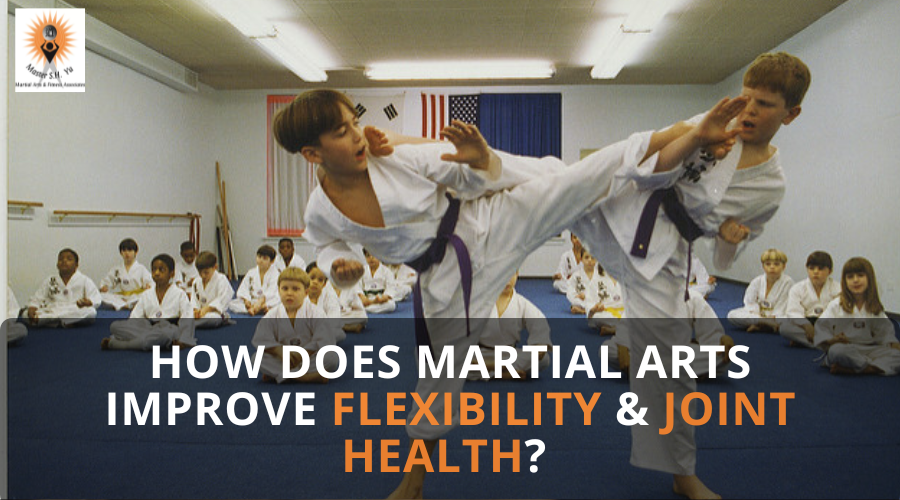
Martial arts improve flexibility and joint health by training the body through repeated full-range, body-weight movements such as kicks, stances, transitions, and controlled mobility drills. This consistent movement increases muscle elasticity, enhances joint mobility, and supports the production and circulation of synovial fluid, which lubricates the joints.
Over time, this combination of dynamic stretching, strength development, and controlled motion helps reduce stiffness, improve range of motion, and lower the risk of injury. Unlike static stretching alone, martial arts builds flexibility through active use, making improvements more functional and long-lasting.
Why Flexibility and Joint Health Matter for Everyday Life
Flexibility and joint mobility are essential for performing everyday movements such as bending, reaching, walking, and lifting without discomfort.
- Flexibility refers to how far a muscle can lengthen
- Mobility refers to how freely a joint moves through its full range
- Stability refers to joint control under pressure or load
Together, these elements support healthy movement patterns, reduce strain on joints, and help prevent injuries such as sprains, strains, and overuse pain. Maintaining good mobility also becomes increasingly important with age, as joint stiffness and reduced elasticity can limit daily activity and independence.
How Martial Arts Training Naturally Improves Flexibility
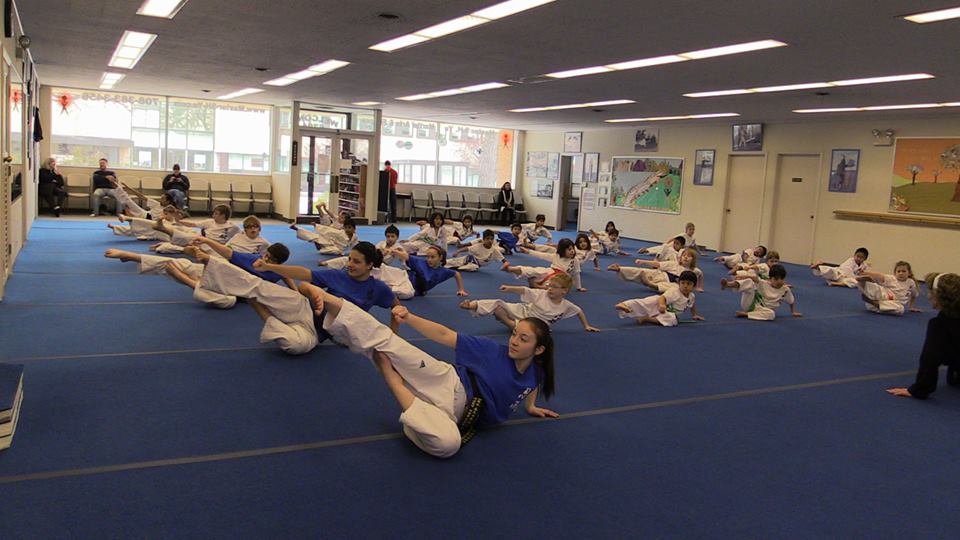
Martial arts training builds flexibility in a way that feels natural and sustainable. Instead of relying solely on static stretching, students develop mobility through repeated, purposeful movements like kicks, stances, and transitions that take joints through their full range of motion. Over time, this consistent practice helps lengthen muscles, improve joint function, and increase overall flexibility without forcing the body beyond its limits.
Dynamic Stretching During Training
Warmups in martial arts often include controlled movements such as:
- Leg swings
- Hip rotations
- Arm circles
- Light bouncing drills
These movements increase blood flow, loosen muscles, and prepare joints for deeper motion during training.
Repetitive Kicking and Striking Motions
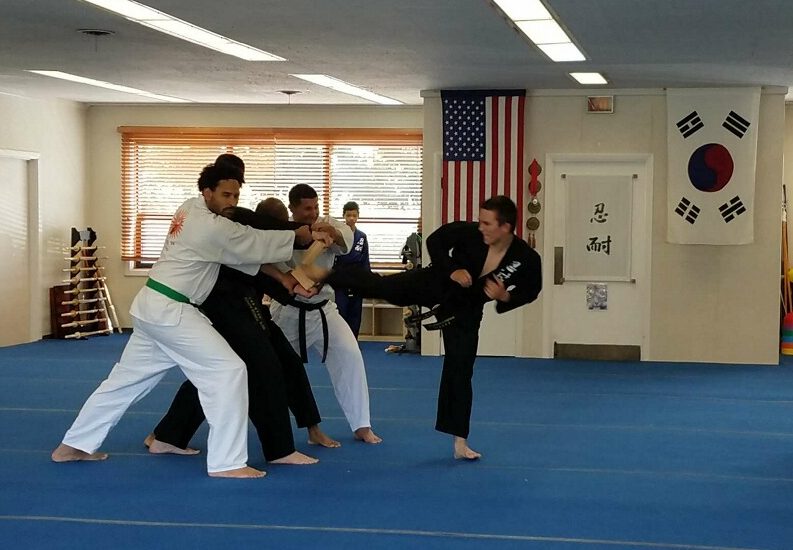
High kicks and repeated striking techniques gradually lengthen muscles such as the hamstrings, hip flexors, and lower back. Over time, this controlled repetition increases flexibility safely without overstressing the muscles.
This is one of the most effective ways martial arts improves active flexibility, which is the ability to use flexibility during real movement.
Deep Stances and Full Range of Motion
Low stances, lunges, and transitions train the body under load while moving through deep ranges of motion. These movements help:
- Strengthen muscles in stretched positions
- Improve balance and control
- Increase overall joint range of motion
This combination of strength and flexibility is what makes martial arts movement highly functional.
How Martial Arts Supports Joint Health and Mobility
Martial arts training doesn’t just improve flexibility; it also plays a key role in supporting joint health and overall mobility. By combining controlled movement, strength-building, and low-impact techniques, martial arts helps the body move more efficiently while protecting joints from unnecessary strain.
Strengthening Muscles Around Joints
Strong muscles reduce pressure on joints by absorbing force during movement. Martial arts strengthen key support areas, including:
- Knees
- Hips
- Shoulders
- Ankles
As these muscles become stronger, joints experience less strain during both training and daily life, reducing injury risk.
Controlled Movement Improves Joint Lubrication
Controlled, repetitive motion encourages the production and circulation of synovial fluid, which helps lubricate joints. This leads to:
- Reduced stiffness
- Smoother movement
- Improved comfort during activity
Regular movement is one of the most effective ways to maintain healthy joint function over time.
Low-Impact Options for Long-Term Joint Care
Many martial arts styles can be adapted for low-impact training, making them accessible for all ages and fitness levels. This allows practitioners to:
- Train safely with reduced joint stress
- Build mobility without excessive impact
- Maintain long-term joint health
When properly taught, martial arts can be a joint-friendly alternative to many high-impact sports.
Best Martial Arts Styles for Flexibility and Joint Health
Not all martial arts are the same when it comes to improving flexibility and supporting joint health. Some styles place a stronger emphasis on mobility, controlled movement, and joint-friendly techniques. Choosing the right discipline can help you build flexibility while protecting your body over the long term.
Tae Kwon Do
Taekwondo is well known for its dynamic kicking techniques, many of which require significant leg flexibility and range of motion. Regular practice involves high kicks, spinning kicks, and rapid transitions that gradually increase flexibility in the hips, hamstrings, and lower back. This consistent stretching and movement helps improve joint mobility, particularly in the lower body.
Judo
Judo focuses on leverage, balance, and controlled grappling techniques rather than striking. Training emphasizes safe falling, joint control, and proper body mechanics, which helps protect joints while improving their function. By strengthening stabilizing muscles and practicing controlled movements, students develop better joint support and overall mobility.
Karate
Karate offers a well-rounded approach that combines flexibility, strength, and stability. Practitioners perform a mix of kicks, stances, and controlled strikes that engage the entire body. This balance helps improve joint resilience while also enhancing coordination and muscle control, making it a solid option for overall joint health.
Aikido
Aikido is characterized by its smooth, flowing movements and emphasis on redirecting energy rather than meeting force with force. Techniques involve circular motions and continuous transitions that gently guide joints through their natural range of motion. This fluid style promotes mobility, reduces stiffness, and supports joint health without placing excessive stress on the body.
Key Benefits You’ll Notice from Training in Martial Arts
With consistent training, martial arts provides noticeable physical improvements such as:
- Increased flexibility and range of motion
- Reduced joint stiffness and discomfort
- Improved balance and coordination
- Better movement control in daily activities
- Faster recovery after physical activity
As strength, mobility, and flexibility improve together, the body becomes more resilient and efficient in movement.
How Long Does It Take to Improve Flexibility with Martial Arts?
Training in martial arts at least 2 to 3 times per week leads to noticeable mobility improvements within 2 to 4 weeks. After 2 to 3 months of training, flexibility gains are visible. Intense flexibility routines balanced with lighter mobility days are recommended to allow the muscles to rest.
Tips to Maximize Flexibility and Protect Your Joints
If you want to improve flexibility faster while keeping your joints healthy, how you train matters just as much as how often you train. A thoughtful approach helps you make steady progress without increasing your risk of strain or injury.
1. Warm Up Properly Before Training
A proper warm-up prepares your muscles and joints for movement, making flexibility work more effective and safer. Light cardio followed by dynamic stretches like leg swings or arm circles helps increase blood flow and gently activates your joints before more intense techniques.
2. Combine Martial Arts with Stretching
While martial arts naturally build flexibility, adding dedicated stretching can accelerate your progress. For best results:
- Use dynamic stretching before training
- Use static stretching after training
This combination helps improve both active and passive flexibility.
3. Train Consistently Without Overtraining
Consistency is key, but more isn’t always better. Training regularly, even in shorter sessions, leads to better long-term results than pushing too hard and risking injury. Give your body time to recover so muscles and joints can adapt and strengthen.
4. Listen to Your Body to Avoid Injury
Pay attention to how your body feels during and after training. Mild discomfort can be part of progress, but sharp pain or lingering soreness may signal the need to rest or adjust your technique. Listening to your body helps you avoid setbacks and continue improving safely.
Who Can Benefit from Martial Arts for Joint Health?
Martial arts support joint health and flexibility across all age groups:
- Children: Builds coordination, flexibility, and movement habits
- Adults: Reduces stiffness and improves mobility from sedentary routines
- Seniors: Maintains joint function, balance, and independence
- Athletes: Enhances performance, flexibility, and injury resistance
Common Myths About Flexibility and Martial Arts
Myth #1: “You need to be flexible before starting.”
False. Flexibility is developed through training, not required beforehand.
Myth #2: “Only certain martial arts improve flexibility.”
Incorrect. Most styles improve flexibility when practiced consistently, though some emphasize it more than others.
Myth #3: “Stretching alone is enough.”
Stretching helps, but active movement through martial arts is what builds functional flexibility used in real life.
Get Started with Martial Arts Training Near You
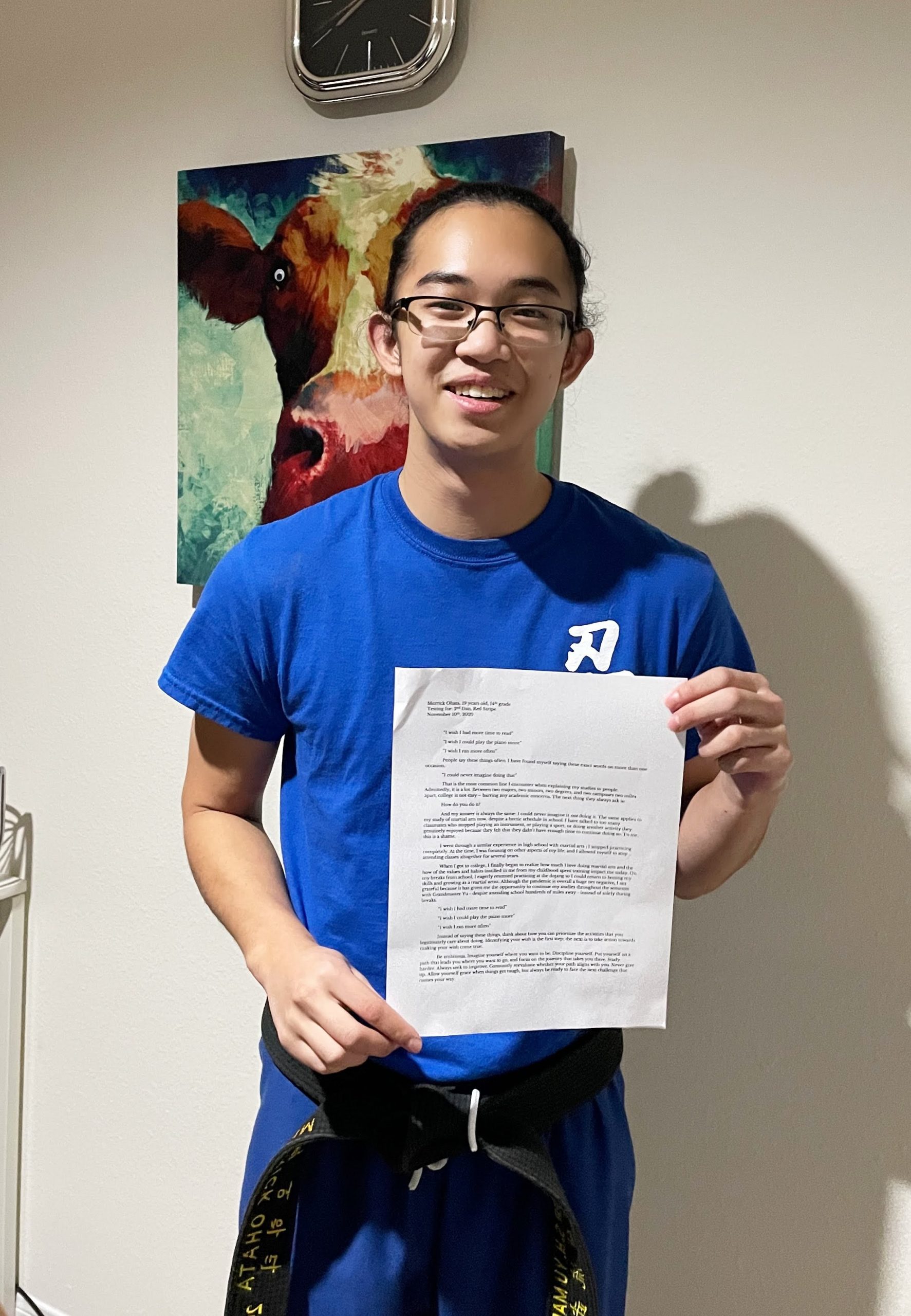
No matter at what age the martial arts piques your interest, trying a class can be life-changing. Students, young and old, experience improvements in physical flexibility, from muscles to joints, as well as mental flexibility. Practitioners learn to adapt to changing circumstances and face challenges creatively.
Beginner-friendly programs are held at Master SH Yu Martial Arts in Oak Park, Illinois. We offer martial arts classes for adults, teens, and kids, giving them an opportunity to improve their flexibility and joint health through stimulating teaching environments and qualified, supportive instructors.
Joint health and flexibility are essential for staying active in everyday life. Joint health exercises in the martial arts improve overall physical health. Contact Master S.H. Yu Martial Arts today to schedule a class observation and see firsthand how practicing the martial arts improves flexibility and mobility within a few weeks.
Frequently Asked Questions (FAQs)
What is the fastest way martial arts increases flexibility?
The fastest improvements come from consistent training that combines dynamic warmups, repeated kicking techniques, and deep stance work. These movements actively stretch muscles under control, helping the body adapt quickly to greater ranges of motion, often within a few weeks of regular practice.
Is martial arts good for stiff or aging joints?
Yes. Martial arts can help reduce joint stiffness by encouraging low-impact, controlled movement that keeps joints active without excessive strain. This helps maintain mobility, improve circulation around the joints, and support long-term joint function, especially for adults and seniors.
Which martial arts style is best for improving flexibility?
Styles that emphasize dynamic movement and full-body range of motion tend to be most effective. Taekwondo is highly effective for lower-body flexibility, Aikido supports smooth joint mobility, and Karate provides a balanced mix of strength, flexibility, and control.
Can martial arts help prevent joint injuries?
Yes. Martial arts helps prevent injuries by strengthening stabilizing muscles around key joints like the knees, hips, and shoulders. It also improves balance, coordination, and movement control, which reduces the likelihood of strains, sprains, and overuse injuries.