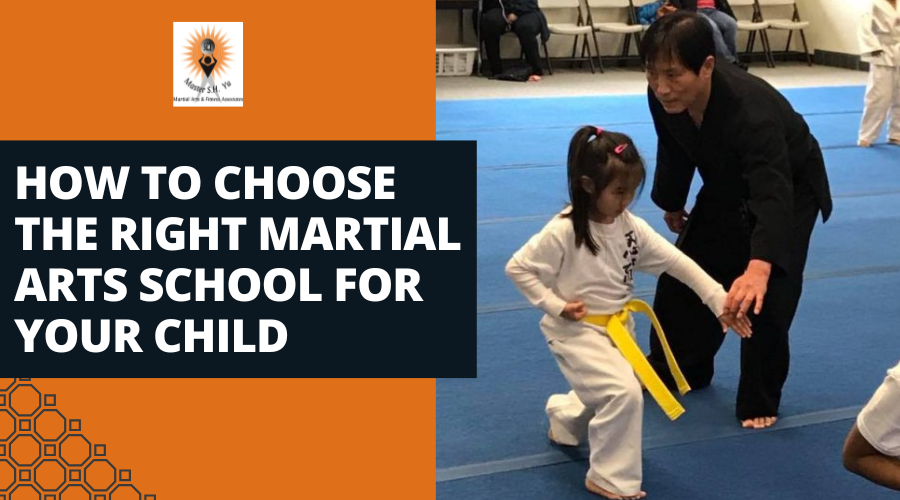
How to Choose the Right Martial Arts School for Your Child
Quick answer: When choosing a martial arts school for your child, the school and the instructor matter far more than the specific style. Look for an experienced teacher who is genuinely good with kids, a clean and safe facility, age-appropriate classes, and a positive culture, then visit and watch a full class before you enroll. The right fit usually feels right the moment you walk in.
Signing your child up for martial arts sounds simple until you start looking at schools. One school promises trophies, another leads with a slick highlight reel of flying kicks, and a third talks about black belts like they are on a conveyor belt. As a parent, you are left wondering what actually matters, and whether any of it will help your child become more focused, more confident, and better able to handle themselves.
Here is the honest answer, and after 32 years teaching children here in Oak Park, we will stake our reputation on it: the specific style your child studies matters far less than the school and the person teaching it. A caring, skilled instructor in a well-run program will do more for your child than any particular art on its own. So the real question is not “Which martial art?” It is “Which school, and who is leading it?”
This guide walks you through how to tell the difference between a school that will shape your child for years and one that is just selling belts.
Why the Right Martial Arts School Makes a Difference
The right environment changes what your child gets out of training. In a strong program, martial arts does a lot more than teach kicks and blocks.
- Builds confidence and self-esteem: Kids earn their progress here. We see it every session. A child who struggles with a technique for weeks and then finally lands it walks a little taller afterward, and that confidence is built on something real they accomplished, not empty praise.
- Develops discipline and focus: Following instructions, holding a stance, repeating a movement until it is right: these habits carry straight into homework, chores, and the classroom.
- Encourages respect and good character: Bowing to instructors and training partners, waiting your turn, controlling your temper. Good schools weave these into every class instead of treating them as an afterthought.
- Improves physical fitness and coordination: Balance, agility, strength, and body awareness all improve with regular training, and kids barely notice they are exercising.
- Creates a positive learning environment: Children feel safe to try, fail, and try again. That kind of room to grow is hard to find and easy to recognize once you see it.
- Supports long-term success and enjoyment: A child who enjoys training keeps training. That consistency is where the lasting benefits live.
None of this happens by accident. It comes from the school you choose.
Read: Private Martial Arts Lessons vs. Park District Classes: What’s the Real Difference?
10 Things to Consider When Choosing a Martial Arts School
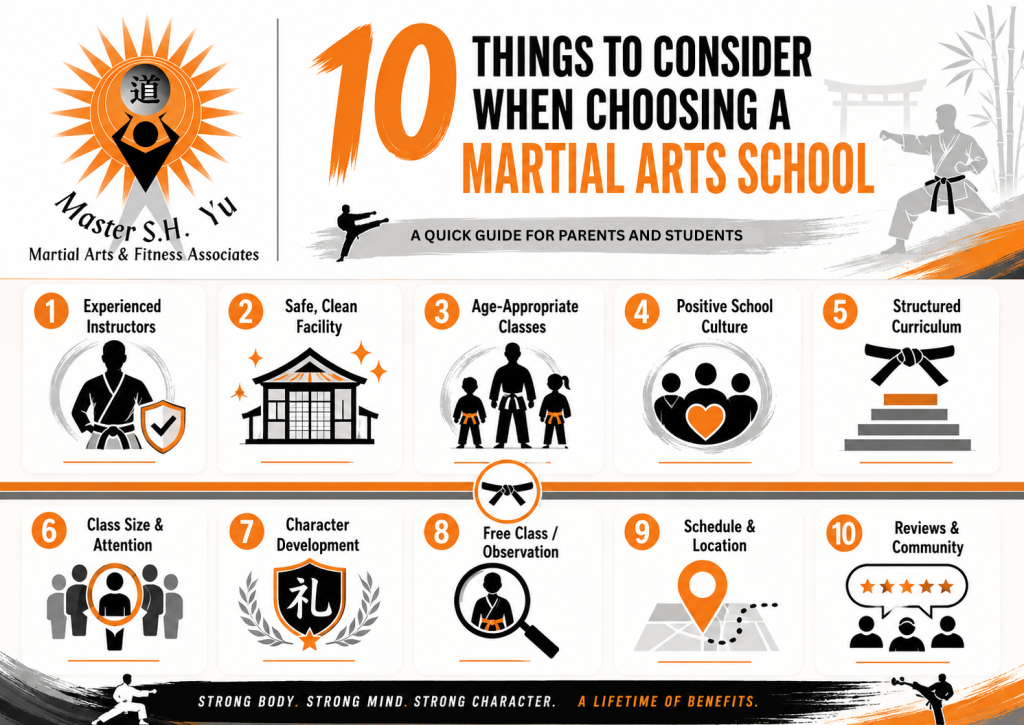
1. Experienced and Qualified Instructors
Nothing matters more than who is teaching your child. A gifted fighter is not automatically a gifted teacher, and teaching adults is not the same skill as teaching a room full of seven-year-olds. In our experience, the instructors who change kids’ lives are the ones who can hold a restless class’s attention and still make each child feel seen.
Look for verifiable certifications and real experience, ideally with children specifically. Watch how the instructor communicates: can they break a complicated movement into simple pieces a child can follow? The best teachers speak to advanced and beginning students in the same clear, patient voice, and they can motivate a shy kindergartner and a restless twelve-year-old in the same class.
2. A Safe, Clean, and Professional Facility
Safety is non-negotiable. When you visit, look at the mats and equipment: are they clean and in good repair? Are there clear safety rules, and does the instructor enforce them? Good schools build injury prevention into how they teach, with proper warm-ups that focus on range of motion rather than extreme stretching, and steady supervision so no child is left unwatched. A comfortable spot for parents to sit and watch is a nice bonus, and worth noticing. A cluttered, grimy, or chaotic space tells you how the school treats everything else.
3. Age-Appropriate Classes
A five-year-old and a fifteen-year-old do not learn the same way, and they should not be training side by side. Younger children need shorter drills, more encouragement, and instruction pitched to their attention span. Older kids and teens can handle more complexity and intensity. Age-specific instruction matters because a child grouped with peers at a similar age and level stays engaged instead of frustrated or bored.
Master S.H. Yu groups students by age and experience rather than lumping everyone together. Kids train in two levels, so beginners and more advanced young students each work with peers at their stage, while teens move into the combined adult and teen classes when they’re ready.
4. Positive School Culture
Spend ten minutes watching a class, and you will feel the culture. Is the atmosphere respectful? Are instructors encouraging, or do they lead through intimidation? Do the students seem friendly with one another? The strongest programs focus on each child’s personal growth instead of tearing kids down to toughen them up. Respect should flow both ways, from student to teacher and teacher to student.
5. A Structured Curriculum and Clear Goals
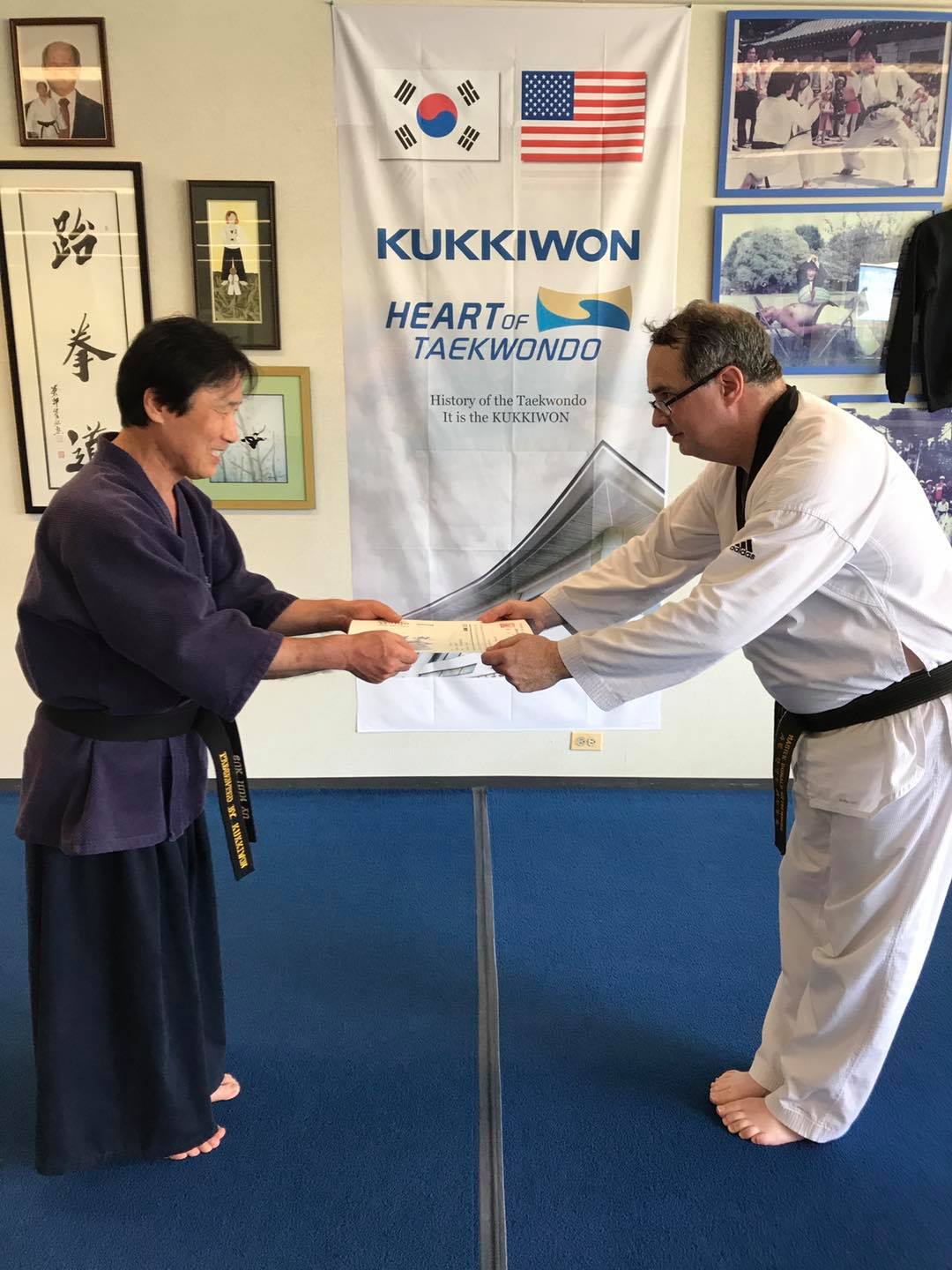
Kids thrive on knowing where they’re headed. A good school has clear learning objectives, a belt ranking system that marks real progress, and a logical path from one skill to the next. Students get evaluated at meaningful milestones, so both you and your child can see growth over time. Ask how progress is measured beyond belt color, and how often students test. Master S.H. Yu runs quarterly promotion tests so advancement is earned on a steady, predictable schedule.
6. Class Size and Individual Attention
Smaller classes and a sensible student-to-instructor ratio mean your child gets seen. In an overcrowded class, quiet or struggling kids slip through the cracks while the naturals soak up the attention. Personalized coaching and honest feedback are how children improve, so ask about typical class sizes and whether individual attention is built into the program. For students who want to go deeper, private lessons are another way to get focused one-on-one instruction.
7. Character Development Beyond the Mat
The kicks and punches are the vehicle. What you want your child carrying into adulthood is respect, discipline, responsibility, leadership, perseverance, and confidence. Ask a prospective school how they teach these things. If character development is central to the program rather than a line on a brochure, you will hear it in how the instructor talks about their students.
Master S.H. Yu frames our entire approach around discipline and “the Way,” to develop well-rounded young people, not just skilled kickers.
8. A Free Class Observation and Time to Watch
Never enroll sight unseen. A reputable school will let your child sit in on or observe a class before you commit. When you go, watch closely to see how the instructor handles different skill levels. Is the feedback constructive? Are safety rules being followed? Does every child get attention, or only the standouts? Notice how your child feels walking out. Then ask your questions before you sign anything. Master S.H. Yu welcomes a free class observation with no appointment required, so you and your child can see a real class in action.
9. Class Schedule and Location
The best program in the world will not help if you cannot get your child there consistently. Look for class times that fit your family’s routine, a location that is not a daily ordeal to reach, and easy parking and access. Consistency is what turns lessons into skill, so a convenient schedule you can keep matters more than it seems. Check the school’s class schedule against your week before deciding.
10. Reviews, Reputation, and Community
Do a little homework. Read online reviews and parent testimonials, look for student success stories, and notice whether the school is involved in its community. How long has it been around? A school that has served families for decades has earned that longevity.
Questions Every Parent Should Ask Before Enrolling
Walk into your visit with a short list. The answers tell you as much as anything you will observe:
- What is your teaching philosophy, especially for children?
- How are classes organized by age and skill level?
- What safety measures do you have in place?
- Is sparring required, and if so, at what age and with what protective gear?
- How do you help shy or nervous children settle in?
- How often do students test for belts, and how is advancement earned?
- What does membership cost, and what is included?
- Can my child attend a free class or observation before we commit?
- Is there a trial period before any long-term contract?
A confident, honest school will answer all of these without hesitation or pressure.
Red Flags to Watch Out For
Some warning signs should stop you at the door:
- A dirty or poorly maintained facility, which signals carelessness everywhere else.
- Overcrowded classes where kids stand around waiting more than they train.
- Instructors who do not supervise closely, letting horseplay or unsafe technique slide.
- High-pressure sales tactics, especially a long-term contract with no trial period.
- No structured curriculum, so classes feel random from week to week.
- Poor communication with parents about progress or concerns.
- Unsafe training practices or an “extreme,” injury-prone culture.
- A negative or overly aggressive atmosphere where instructors lead through fear or humiliation.
Quality schools sell themselves through results and word of mouth. If someone is hard selling you a multi-year contract, you should be skeptical.
Choosing the Right Martial Art Discipline for Your Child
Parents often get stuck here, comparing styles as if one is objectively best. It is worth understanding what the major arts develop, but the truth is that the discipline matters less than the teacher and the school, and the smartest choice is usually not a single art at all.
Each traditional martial art builds something a little different:
| Discipline | What it develops in your child |
|---|---|
| Tae Kwon Do | Dynamic kicks, footwork, and forms; flexibility, coordination, focus, and a positive outlet for a lot of energy |
| Hapkido | Joint locks, redirection, and practical, awareness-based self-defense |
| Aikido | Blending with and redirecting force, and falling safely; composure and control over aggression |
| Judo | Throws, grappling, and controlled falling; resilience and body awareness |
You will also see Karate offered widely. Like Taekwondo, it centers on strikes, blocks, and traditional forms, and it is a solid choice for building focus, self-control, and respect for tradition.
Here is the catch with picking a single style: each art leaves gaps. A striking-only art teaches your child to kick and punch but not what to do if a confrontation ends up on the ground. A grappling-only art does the reverse. Specializing too early means your child gets good at one range and stays a beginner everywhere else.
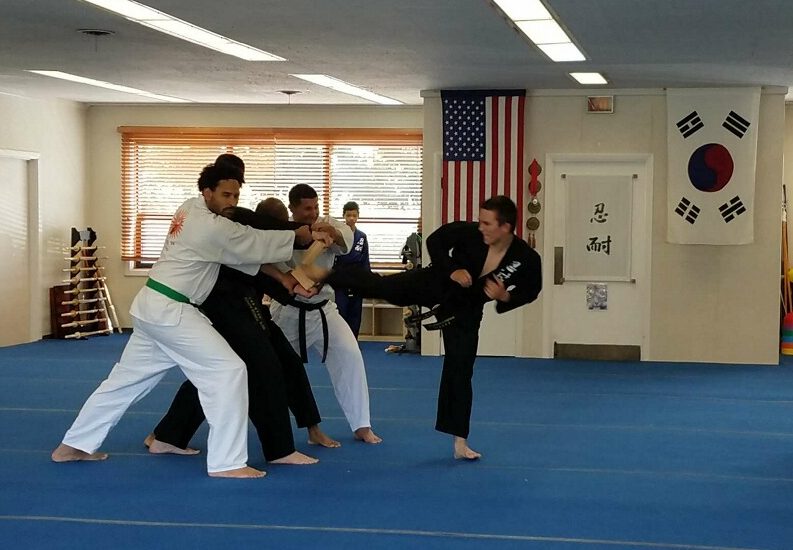
This is where Master S.H. Yu’s approach stands apart. Instead of asking your child to choose one lane, we teach an integrated curriculum that combines Tae Kwon Do, Hapkido and Aikido, and Judo in every class. Striking, throws, joint locks, falling techniques, and practical self-defense all develop together, the way these arts were meant to complement one another.
Is Your Child Ready for Martial Arts?
Most children are ready to begin around elementary-school age, when they can follow directions in a group and focus for a full class. If your child can listen to an instructor, take turns, and stick with something a little challenging, they are ready to try martial arts.
Martial arts fits a wide range of temperaments. For a shy child, the structure and steady encouragement build confidence at a comfortable pace, and small wins add up. For an energetic child, training gives all that energy somewhere productive to go, along with the focus and self-control that come with it. And for a child who has experienced bullying, martial arts helps build the self-assurance that makes a child less likely to be targeted, and it teaches real self-defense grounded in awareness and composure rather than aggression. The goal is never to raise a fighter looking for trouble. It’s to raise a calm, capable kid who rarely needs to use what they know.
Choosing Well: What it Comes Down To
Choosing a martial arts school for your child really rests on a handful of things. Prioritize an experienced instructor who’s good with kids, and insist on a safe, clean facility and age-appropriate classes. Look for a positive culture, a clear curriculum, and enough individual attention that your child is seen. Trust the red flags when you notice them. And remember that the school and the teacher matter more than the discipline.
When deciding between schools, visit them to observe a full class, see how your child responds, and ask every question on your mind before you commit. The right fit tends to feel right the moment you walk in.
When you’re ready, Master S.H. Yu Martial Arts invites you to schedule a free class observation at our Oak Park school, serving families across Oak Park, River Forest, Elmwood Park, Forest Park, and Riverside. Come see a class, meet the instructors, and find out whether it’s the right home for your child’s training. Explore our kids martial arts programs to get started.
Frequently Asked Questions
What is the best age for my child to start martial arts?
Most children are ready around elementary-school age, once they can follow group instructions and focus for a full class. Master S.H. Yu’s kids classes are built to meet beginners exactly where they are, so a new student doesn’t need any prior experience.
Does my child need experience before joining?
No. Beginners are welcome, and classes are organized by age and level so new students train with peers at their stage rather than being thrown in with advanced practitioners.
Can we watch a class before enrolling?
Yes. Master S.H. Yu offers a free class observation, and no appointment is needed. You can schedule a time or simply stop in during any class to watch, meet the instructors, and ask questions.
How is progress measured?
Students advance through a belt ranking system with regular evaluations, and the school holds quarterly promotion tests, so growth is steady and clearly marked.
Which martial art will my child learn?
Rather than a single style, students train in one combined curriculum that blends Tae Kwon Do, Hapkido, Aikido, and Judo in every class, so they develop striking, throws, joint locks, and self-defense together.
Is martial arts good for a shy child?
Yes. The structured, encouraging environment builds confidence gradually, and steady progress helps quiet or nervous children come out of their shell at their own pace.